A MONOPOLI, MATERA e BARI la coproduzione italo-francese tra la formazione vocale MUSICATREIZE di Marsiglia
Classical music
Jazz concerts
Certainly! Here is the translation of the Italian text into English:
Concert as part of the Duni Festival.
On October 26, 27, and 28, three concerts in as many prestigious events
in Monopoli (ApuliAntiqua), Matera (Festival Duni), and Bari (Anima Mea)
"The Time of the Voice" in Apulia and Basilicata
in the dialogue between Musicatreize and Orfeo Futuro
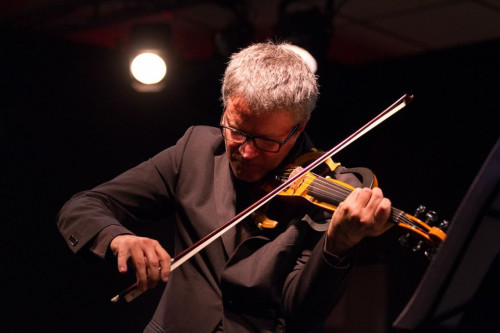
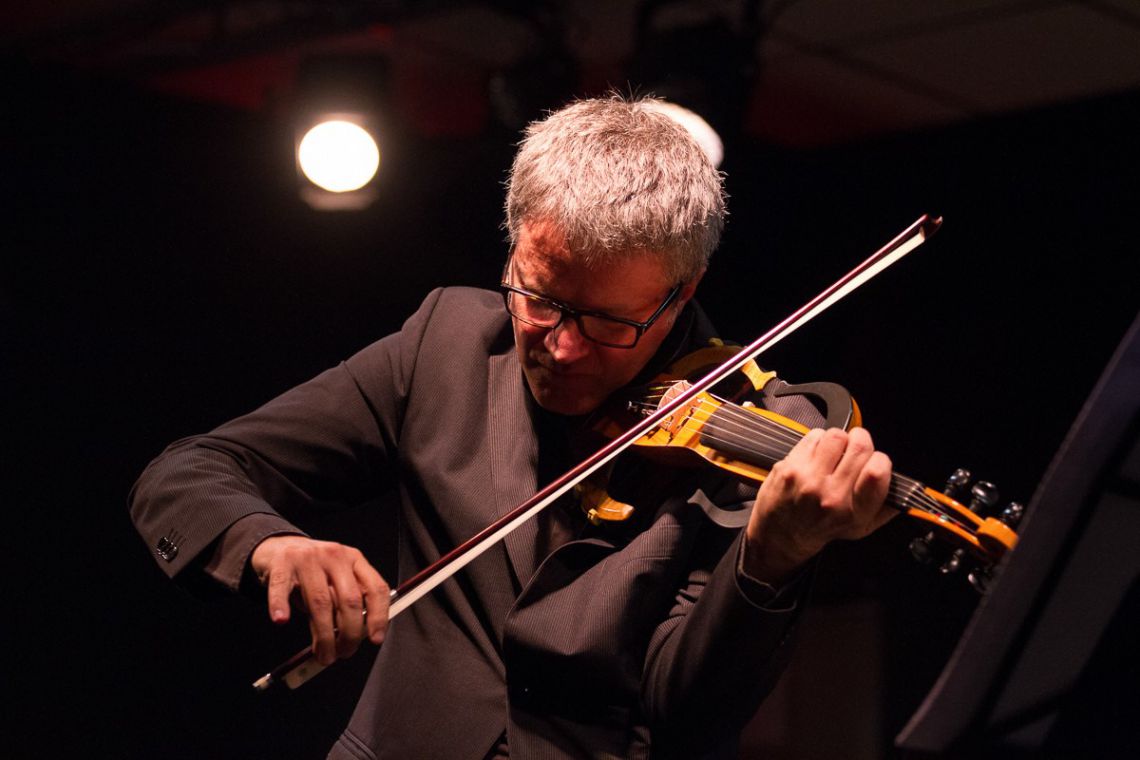
The production between the two ensembles comes from Marseille, where it has just debuted Violin soloist Francesco D'Orazio. Among the pieces, a premiere by Gianvincenzo Cresta
**And now the Italian-French project "The Time of the Voice" is being presented in Apulia and Basilicata with three scheduled appointments in as many prestigious festivals: Saturday, October 26 (8:30 PM) in Monopoli, in the church of Santa Maria Amalfitana, for Apuliantiqua (tickets on www.apuliantiqua.events), Sunday, October 27 in the Ridola Museum of Matera, for the Duni Festival (info 0835.333411), and Monday, October 28 (8:30 PM) in Bari, in the church of Santa Scolastica, for Anima Mea, the latter event realized with contributions from the Ministry of Culture, the Apulia Region, the Municipality of Bari, and the sponsorship of Rai Puglia (info 334.2913041 - tickets on www.postoriservato.it).**
The concert in Bari will be introduced by a reading from Nunzia Antonino from "Human Acts" by the South Korean Nobel Prize-winning writer of 2024, Han Kang. It is the result of the artistic partnership between the Musicatreize vocal ensemble from Marseille and the Apulian historical instruments ensemble Orfeo Futuro, with violin soloist Francesco D'Orazio. Under the direction of Roland Hayrabedian, a dialogue will develop between music from the seventeenth century by Pietro Andrea Ziani and Claudio Monteverdi and three contemporary authors, the late Giacinto Scelsi, who passed away in 1988, Gianvincenzo Cresta, and Gianluca Antignani.
The dialogue is characterized by the exploration of ancient and new practices that the two formations, by composing and decomposing in various types of ensembles, have activated for this wonderful interplay, in which there is a continuous reversal of roles, with instruments imitating the voice and vice versa, with the voice becoming an instrument.
This also happens in the piece "Il giardino delle mele d'oro" for solo violin and twelve a cappella voices commissioned by Musicatreize to Gianvincenzo Cresta, composer in residence at the Anima Mea festival, who entrusted the solo instrumental part to Francesco D'Orazio, an internationally renowned Bari concertmaster who won the Abbiati prize, the Oscar of classical music in Italy, in 2010. A piece in which the music captures the suggestions of the sung text and comments on it through the solo violin, a sound representation of Heracles, his lament and his restlessness.
The program includes the "Tre canti sacri" for eight a cappella voices, which Giacinto Scelsi conceived in 1958 for a return to an archaic time through a new sound world, and "Canto della tenebra" for six voices, two violins, three violas da gamba, and harpsichord by Luca Antignani, a piece from 2017 in which the relationship with the word is extremely vivid, significant, and decisive.
The program is completed by Sonatas No. 2, 3, and 4 for two violins, three violas da gamba, and basso continuo composed in 1667 by Pietro Andrea Ziani, pieces in which, alongside Renaissance counterpoint, elements of the new style aimed at enlivening the formal development emerge, and the "Beatus vir" for six voices and instruments from 1641, from "Selva Morale et Spirituale" by Claudio Monteverdi, an expression of those technical and stylistic solutions typical of secular genres in a style capable of breaking down every barrier once transferred to sacred music.
Twelve voices are used by the Ensemble Musicatreize, composed for the occasion by sopranos Céline Boucard, Kaoli Isshiki-Didier, and Claire Gouton, contraltos Estelle Corre, Madeleine Webb, and Alice Fagard, tenors Antoine Chenuet, Samuel Zattoni-Rouffy, and Xavier de Lignerolles, and basses Patrice Balter, Cyrille Gautreau, and Eric Chopin, while the Orfeo Futuro instrumental ensemble includes, besides Francesco D'Orazio as violin soloist, Giovanni Rota (violin), Luciana Elizondo (tenor da gamba), Silvia de Maria (bass da gamba), Gioacchino De Padova (bass da gamba), and Pierfrancesco Borrelli (harpsichord and organ).
|
City: Matera
Venue: Museo Ridola
8:00 pm
paying entrance
|
| |
|
|
511 views