Browse by city
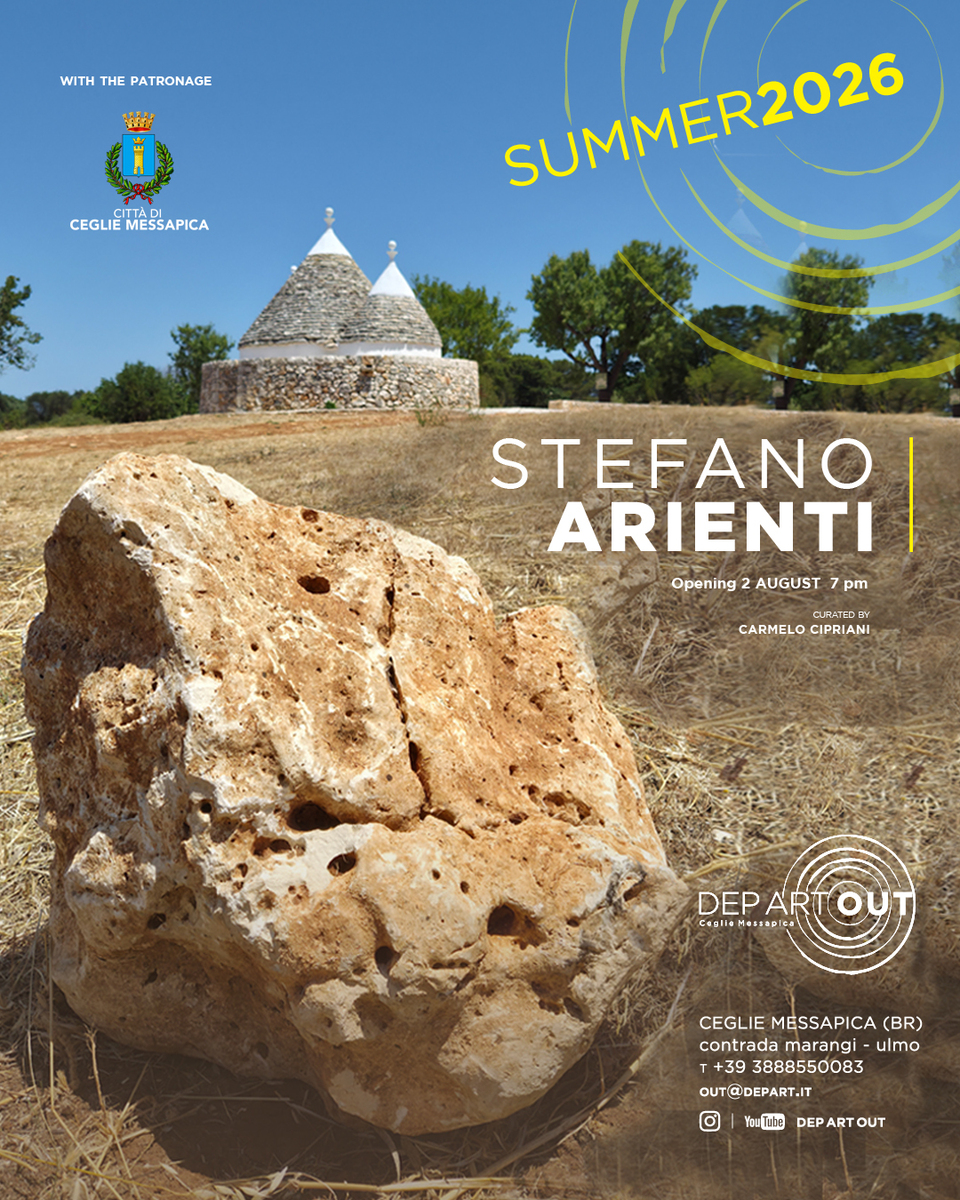
 Ceglie Messapica
Browse by city
Art & photography
 |
|
Santa Maria al Bagno
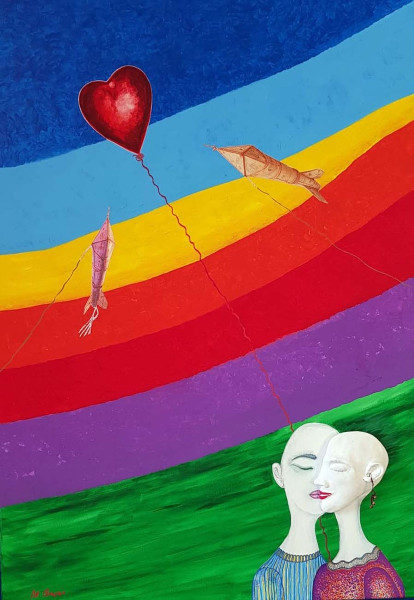
Museo della Memoria e dell'Accoglienza |
| from june 1 to october 31 2026 |
| Besa a Code of Honor |
|
|
 |
|
Gallipoli
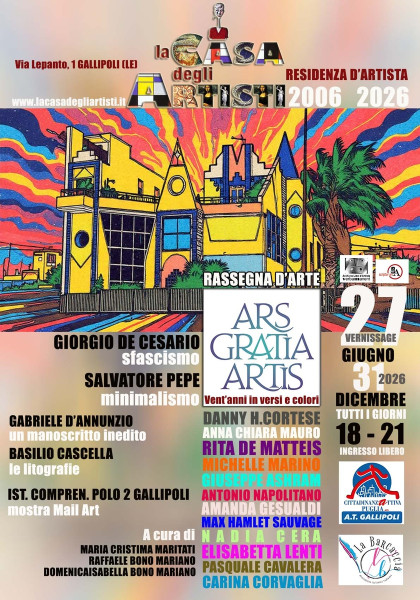
La Casa degli Artisti |
| from june 27 to december 31 2026 |
| Giorgio De Cesario, mostra personale Sfascismo |
|
|
 |
|
Gallipoli
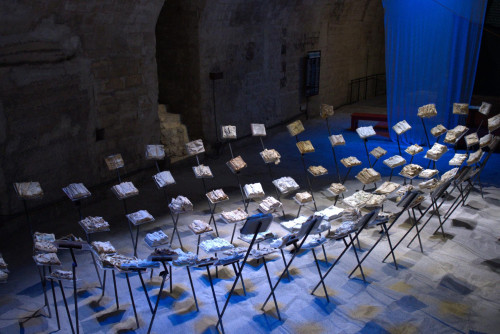
La Casa degli Artisti |
| from june 27 to december 31 2026 |
| Rassegna d'arte Ars Gratia Artis |
|
|
 |
|
Lecce
Castello Carlo V |
| from july 17 2026 to january 10 2027 |
| La materia dei sogni - Mondi e visioni dall'opera di Shakespeare |
|
|
 |
|
Lecce
Must – Museo storico di Lecce |
| from july 24 2026 to january 31 2027 |
| Tesori nascosti della Galleria Borghese |
|
|
 |
|
Martina Franca
ANTEAS OdV |
| from july 17 to december 18 2026 |
| La mossa giusta. Progetto Intergenerazionale degli Scacchi In collaborazione: - ANTEAS OdV e -ASD Circolo Scacchistico Martinese |
|
|
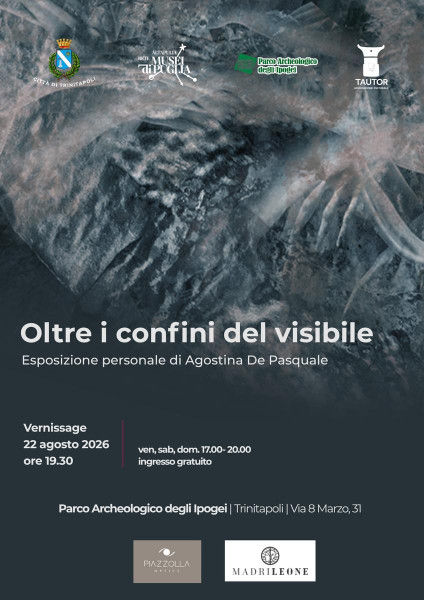 |
| Trinitapoli |
| from august 22 to october 22 2026 |
| Oltre i confini del visibile - Esposizione personale di Agostina De Pasquale |
|
|
 Art & photography
 Cultural

Unmissable live shows and events
Sponsored events
All free entry events
All exhibitions
Today's events a Ceglie Messapica PDF format.
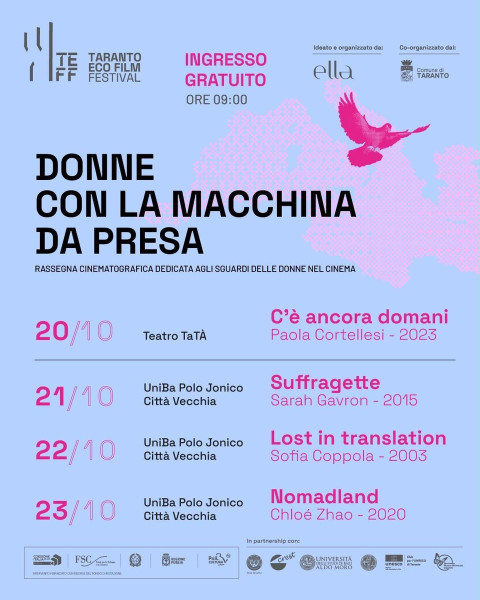 |
| Taranto |
| from october 20 to october 23 2026 |
| "Donne con la macchina da presa" - Aspettando il Taranto Eco Film Festival, dal 20 al 23 ottobre |
|
|
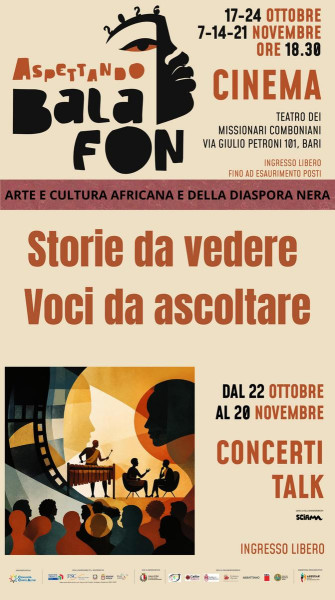 |
| Bari |
| from october 22 to october 24 2026 |
| Aspettando Balafon Film Festival 2026 |
|
|
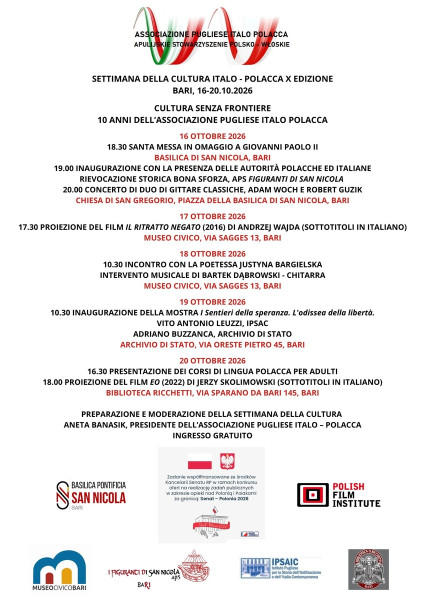 |
| Bari |
| from october 16 to october 20 2026 |
| SETTIMANA DELLA CULTURA ITALO POLACCA - X edizione |
|
|

Cerca gli spettacoli online e vivili offline: il Tacco di Bacco è uno strumento pensato per migliorare la qualità della nostra vita. Un'esistenza piena si basa su connessioni autentiche, che crediamo nascano solo nel mondo reale.Per questo abbiamo creato un'agenda che orienta, non una app che trattiene. Noi vi diamo il mezzo, voi trovate il fine.
La redazione declina ogni responsabilità nel caso in cui le informazioni fornite su iltaccodibacco.it siano errate, mancanti o incomplete.
Designed and made in Italy - 2026 © - il Tacco di Bacco
Se hai stampato queste pagine, ricordati di cestinarle nel raccoglitore della carta.
If you print these pages don't forget to trash them in a recycle bin.



















 Share
Share